
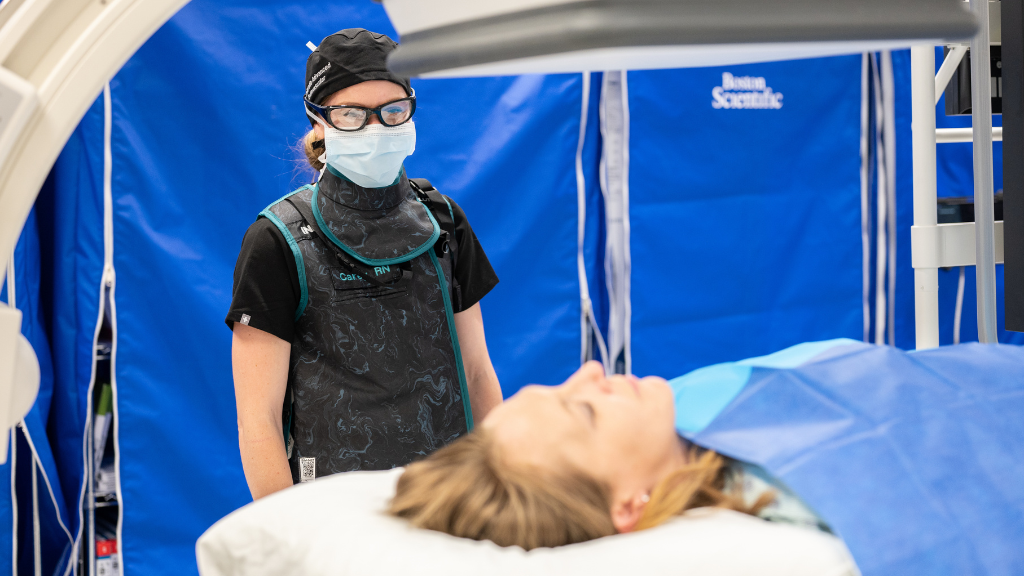
Uterine Fibroid Embolization (UFE) is a minimally invasive treatment that helps relieve symptoms caused by uterine fibroids by blocking their blood supply, allowing them to shrink naturally over time. For many women, UFE offers an effective alternative to surgery, especially when symptoms begin to interfere with daily life. Recognizing when it may be time to consider treatment is an important step toward improving your health and quality of life.
Uterine fibroids are extremely common, affecting up to 70-80% of women by age 50. While some women have no symptoms, others experience issues that gradually become more disruptive. Because symptoms often develop slowly, many women delay treatment longer than necessary.
At Colorado Advanced Endovascular (CAE), UFE is offered as a non-surgical option for women seeking relief while preserving their uterus and avoiding major surgery.
What Are Uterine Fibroids?
Uterine fibroids are noncancerous growths that develop in or on the uterus. They vary in size and number and can affect women differently depending on their location. While fibroids are benign, they can cause a range of symptoms that impact comfort, energy levels, and daily activities.
Common Symptoms of Fibroids
Not all fibroids require treatment, but certain symptoms may indicate it is time to explore your options. Common symptoms include:
- Heavy or prolonged menstrual bleeding
- Pelvic pressure or pain
- Bloating or abdominal fullness
- Frequent urination
- Constipation
- Pain during intercourse
- Fatigue or anemia due to blood loss
If these symptoms are persistent or worsening, they may be affecting more than just your cycle—they may be impacting your overall quality of life.
Signs It May Be Time to Consider UFE
Many women wait until symptoms become severe before seeking treatment. However, earlier intervention can often lead to better outcomes. You may want to consider UFE if you:
- Experience heavy or disruptive periods: If your periods interfere with work, social activities, or daily routines, it may be time to explore treatment.
- Feel ongoing pelvic pressure or discomfort: Fibroids can create a constant sensation of pressure or fullness in the lower abdomen.
- Have symptoms that are getting worse: Fibroids tend to grow over time. If your symptoms are becoming more noticeable, earlier treatment may help.
- Have tried medications without success: Medications can help manage symptoms temporarily, but do not eliminate fibroids.
- Want to avoid surgery: UFE provides a non-surgical option that preserves the uterus.
- Are concerned about fertility or long recovery times: UFE offers faster recovery compared to surgery.
Colorado Advanced Endovascular (CAE) works with each patient to determine whether UFE aligns with their symptoms, goals, and overall health.
How UFE Works
UFE is performed by an interventional radiologist using image-guided techniques. The procedure involves:
- A small catheter is inserted into a blood vessel in the wrist or groin
- Imaging is used to locate the blood vessels supplying the fibroids
- Tiny particles are injected to block blood flow to the fibroids
Without blood supply, fibroids shrink over time, leading to symptom relief while preserving the uterus.
What to Expect After UFE
Recovery from UFE is typically faster and less disruptive than surgical options. Typical recovery timeline:
- Days 1-3: Cramping and fatigue, similar to menstrual discomfort
- Week 1: Return to light daily activities
- Weeks 2-4: Gradual improvement in symptoms
- 1-6 months: Continued fibroid shrinkage and symptom relief
Most women return to normal routines within a week, with ongoing improvement over time.
Take Control of Your Health
Fibroid symptoms do not have to be something you simply manage or tolerate. If heavy bleeding, pelvic pain, or other symptoms are affecting your daily life, it may be time to explore treatment options. Uterine Fibroid Embolization offers a non-surgical solution that can help you regain comfort, energy, and control.
Colorado Advanced Endovascular (CAE) provides advanced, patient-focused care for women in Lakewood, Denver, and across the Front Range. If you are experiencing symptoms of fibroids and wondering whether UFE is right for you, scheduling a consultation is the first step toward relief.
Frequently Asked Questions
What is Uterine Fibroid Embolization?
UFE is a minimally invasive procedure that treats symptomatic uterine fibroids by cutting off their blood supply, causing them to shrink over time.
Who is a good candidate for UFE?
Women with symptomatic fibroids who want relief while preserving their uterus, prefer a non-surgical option, or want to avoid hysterectomy may be candidates.
How does UFE work?
A catheter is used to deliver microscopic particles to the arteries supplying the fibroids, reducing blood flow and causing shrinkage.
Is UFE a surgical procedure?
No. UFE is performed through a small catheter without incisions or removal of the uterus.
How long is recovery after UFE?
Most women resume light activities within a week, with gradual improvement over several weeks to months.
What symptoms improve after UFE?
UFE can reduce heavy menstrual bleeding, pelvic pressure, urinary frequency, and discomfort caused by fibroids.
Can UFE affect fertility?
UFE preserves the uterus, but patients should discuss family planning goals with their physician before treatment.
When should I consider UFE?
If fibroid symptoms are persistent, worsening, or affecting quality of life despite medications, UFE may be a suitable treatment option.