
Heavy periods, bloating, or pelvic pain?
It might not be “just part of being a woman.”
Many women live with uterine fibroid symptoms for years without realizing what’s causing them, or that there are fibroid treatment options with no major surgery. Find out what could be causing your symptoms.
Heavy periods, bloating, or pelvic pain?
It might not be “just part of being a woman.”
Many women live with uterine fibroid symptoms for years without realizing what’s causing them, or that there are fibroid treatment options with no major surgery. Find out what could be causing your symptoms.
Heavy periods, bloating, or pelvic pain?
It might not be “just part of being a woman.”
Many women live with uterine fibroid symptoms for years without realizing what’s causing them, or that there are fibroid treatment options with no major surgery. Find out what could be causing your symptoms.
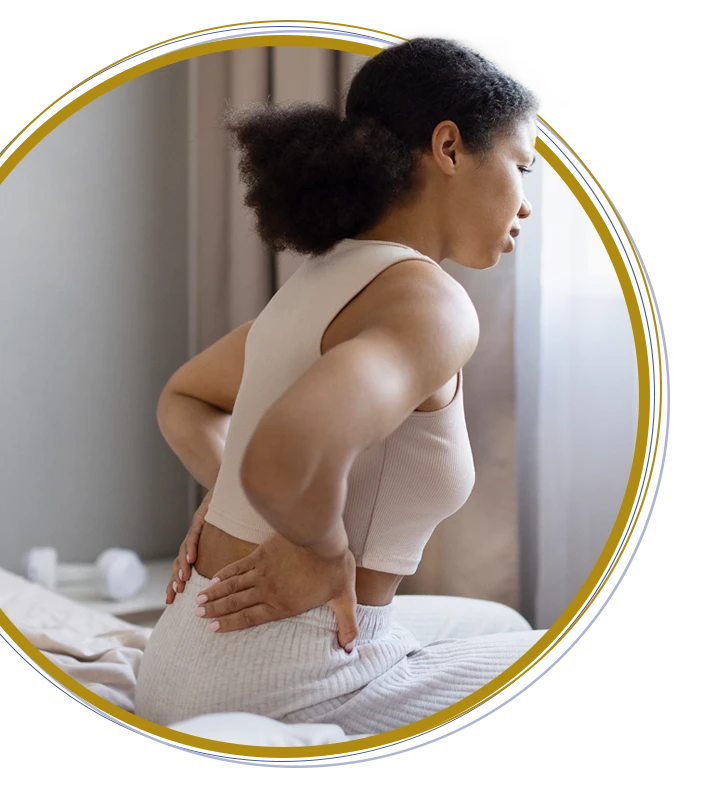
Do These Symptoms Sound Familiar?
You’re not alone—and you’re not imagining it.
- Heavy or prolonged periods
- Bloating or a feeling of fullness in your abdomen
- Pelvic pressure or discomfort
- Frequent urination
- Fatigue or low energy
Symptoms like these are often caused by Uterine Fibroids. If you’ve been told this is “normal,” it may be worth taking a closer look.
What Could be Causing Your Symptoms?
For many women, these symptoms are caused by uterine fibroids: non-cancerous growths that develop in or around the uterus.
They’re more common than most people realize, especially in women in their 30s and 40s. And while they’re not dangerous, they can significantly impact your quality of life.
Managing Uterine Fibroid Symptoms
Monitoring symptoms over time
Medications to manage symptoms
Surgical procedures like hysterectomy
Minimally invasive treatments
Understanding your options is the first step toward making the right decision for you.
A Less Invasive Option for Fibroid Treatment
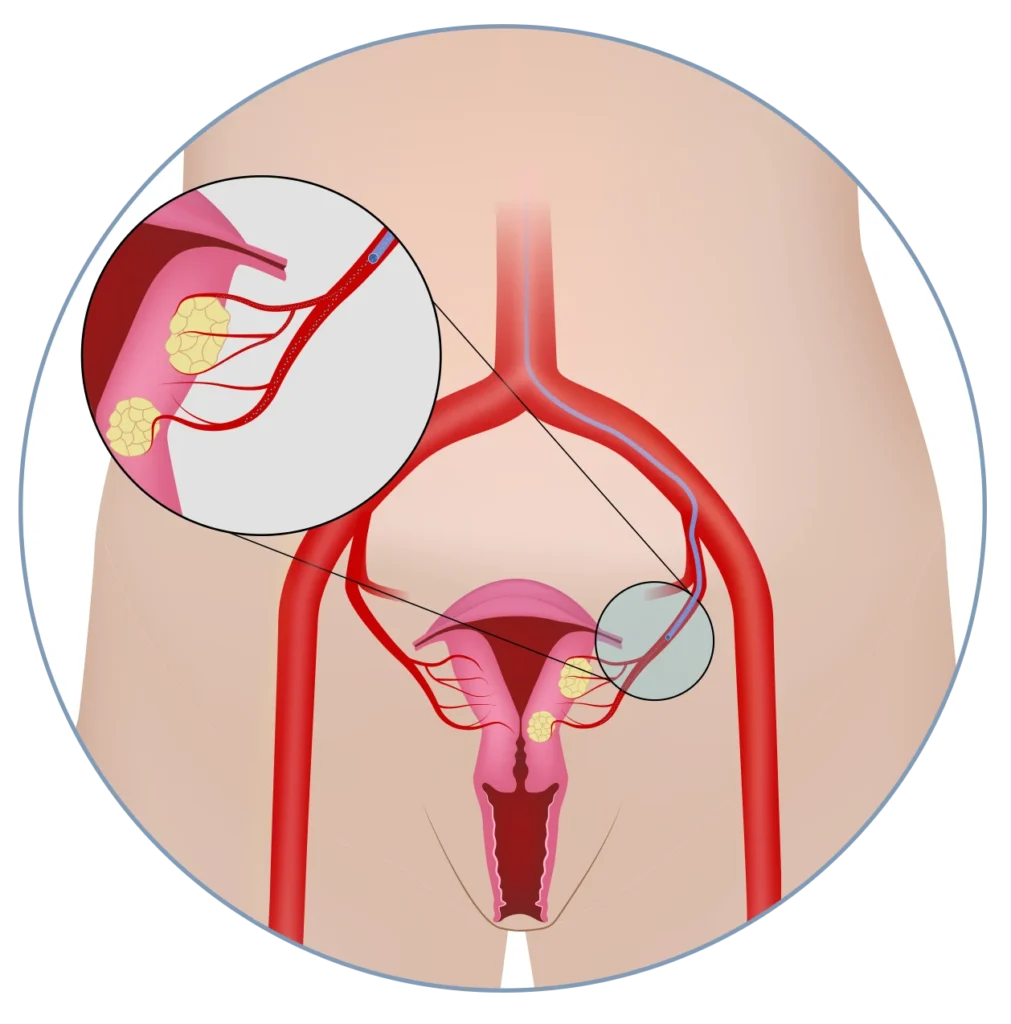
Uterine Fibroid Embolization (UFE) is a minimally invasive procedure performed by interventional radiology specialists.
It works by blocking blood flow to fibroids, causing them to shrink over time.
For many women, this means:
- No major surgery
- Shorter recovery time
- Relief from symptoms
- Preservation of the uterus
It’s not the right fit for everyone, but it’s an option many women don’t realize they have.
What About Risks?
Every treatment comes with considerations. Most women tolerate UFE well, but like any procedure, there are potential side effects and risks. You can read more in our blog.
What to know about UFE side effects and risks
UFE vs. hysterectomy: comparing your options
Our goal is to make sure you have clear, honest information so you can make a decision with confidence.

Is UFE Right For You?
If you’ve been dealing with symptoms like heavy bleeding, bloating, or pelvic discomfort, it may be time to get answers.
A consultation can help determine:
- Whether fibroids may be the cause
- What your treatment options are
- Whether UFE is appropriate for your situation
“Beautiful clinic, friendly, professional staff, providers are knowledgeable and invested in your care.”
– Stephanie
Schedule a Consultation
- About a 90 minute procedure
- No referral required
- Go home the same day
- Usually covered by insurance
Once you submit this form, we’ll contact you to talk through your symptoms, what you’ve tried so far, and which doctors you’ve seen, and work with them as part of your care team.
Then, we’ll schedule a consultation to review your treatment options and explain how uterine fibroid embolization works.
If it’s a good fit, we can schedule your procedure right away.

© 2026 Colorado Advanced Endovascular | Privacy Policy | Terms and Conditions | Website by: Ali`i Design